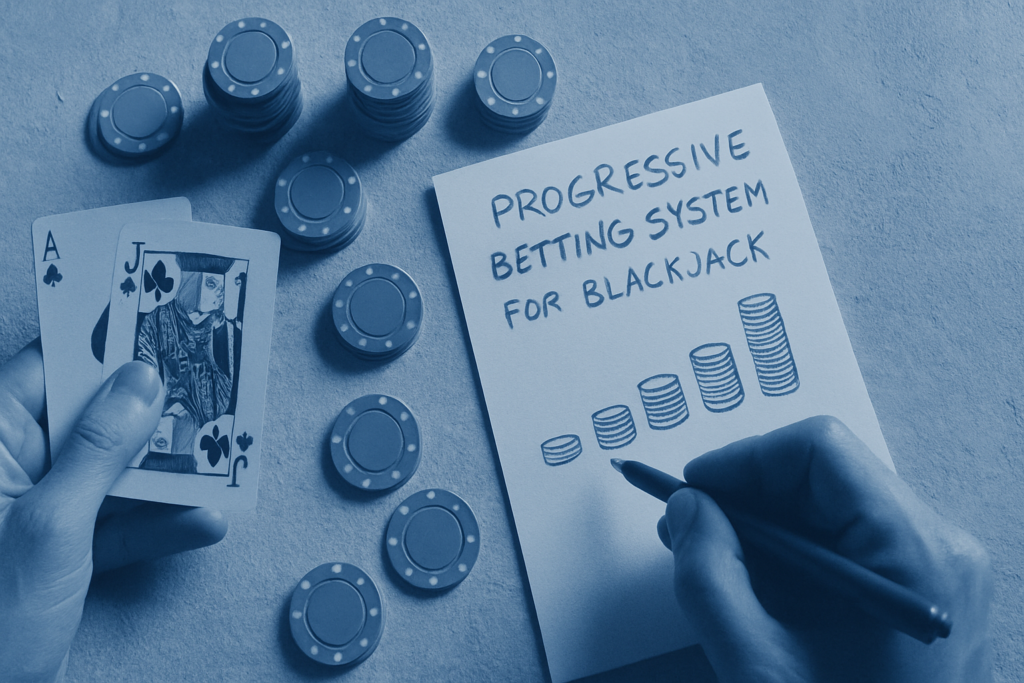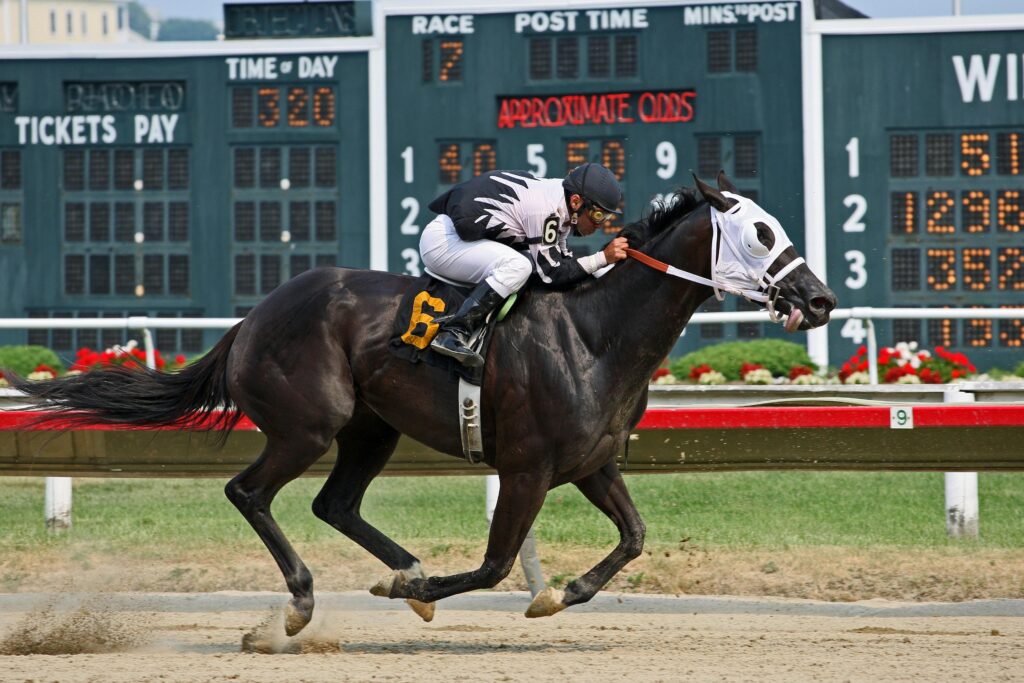
Sports bettors rarely switch their mindset off when the game ends. The same instincts that guide live bets, manage risk and read momentum often carry over into regular recreational casino play. For many bettors, the crossover feels intuitive rather than impulsive, shaped by familiar decision-making patterns rather than a change in behaviour.
Sports bettors tend to recognise patterns long before they articulate them. You follow momentum, react to live information and manage risk in real time. That way of thinking does not switch off once the final whistle blows. For many bettors, the transition from watching a game to engaging with casino play feels natural, not because the formats are the same, but because the decision-making mindset carries across.
When Live Sports Thinking Carries Over to Casino Play
If you spend time betting in-play, you are already comfortable making decisions without long pauses. You read momentum, adjust stakes and respond to what is happening rather than what might happen later. That same rhythm exists in live casino environments, where outcomes unfold in front of you and timing matters as much as choice, often rewarding attentiveness over long-term forecasting.
Platforms like https://casinofortunica-au.com/ appeal to sports bettors because the experience feels familiar. Live dealer tables mirror the pace of in-play betting, and slot sessions reflect shorter betting cycles rather than drawn-out commitments. You are not learning a new habit, you are applying an existing one in a different format.
Understanding Odds Thinking Beyond the Sportsbook
Sports bettors live in probabilities. You compare odds, weigh value and decide whether the risk justifies the potential return. Casino games operate on different mechanics, but the mindset translates more easily than many expect.
Return-to-player rates, volatility and game structure are not abstract concepts if you already understand pricing and margins. Instead of analysing teams and form, you assess payout behaviour and session flow. The logic remains grounded in expectation rather than superstition.
Bankroll Discipline Does Not Stop at the Final Whistle
One of the strongest crossover traits is bankroll management. Experienced sports bettors rarely stake emotionally across an entire card. They allocate, adjust and step back when conditions are unfavourable.
That discipline carries into casino play when approached with the same restraint. Sessions become defined, limits are respected and decisions feel measured rather than impulsive. The crossover is less about chasing outcomes and more about applying structure in a different environment.
Momentum and Timing Matter More Than Game Type
Sports betting teaches patience followed by decisiveness. You wait for the right moment, then act quickly. Casino formats reward similar behaviour when approached deliberately, especially when pace and rhythm guide decisions.
Short sessions, timed play and awareness of streaks mirror the emotional control required during live betting swings. The difference is presentation, not psychology. You already understand when to press and when to step away.
Second-Screen Behaviour Is Already the Norm
Most modern bettors are not locked into a single activity. Watching a game, checking odds and placing bets often happen simultaneously. Casino platforms fit naturally into this second-screen behaviour, especially during breaks in play, halftime pauses or quieter stretches where attention drifts.
Mobile-friendly casino play slots into the same window as live scores and betting apps, filling gaps without demanding full focus. You are not switching worlds, just shifting attention between formats that reward timing, rhythm and quick decision-making.
Familiar Risk Cycles Make Casino Play Intuitive
Sports betting trains you to think in cycles rather than outcomes. You expect variance, accept losses and look for moments where risk feels justified. Casino games operate within the same emotional rhythm when approached with awareness.
Instead of reacting to team news or late goals, you respond to session flow and pacing. Wins and losses are absorbed as part of the cycle rather than treated as signals to chase. For bettors already comfortable with swings, that familiarity lowers friction when moving between formats.
Stepping Away Feels Similar in Both Formats
Experienced bettors know when to disengage. You stop betting when value disappears, when attention fades or when emotion creeps in. That instinct transfers cleanly into casino play.
Short, intentional sessions mirror selective betting habits. You enter, engage and step away without feeling pulled to stay longer than planned. The decision to pause or stop feels familiar because it is guided by the same internal cues you rely on during sports betting.
A Familiar Mindset in a Different Format
The sports-to-casino crossover is less about novelty and more about continuity. Bettors who understand risk, pacing and discipline tend to recognise that casino play is another expression of the same instincts.
You are still making decisions, still managing exposure and still engaging on your own terms. The format changes, but the mindset stays intact, and that familiarity explains why the crossover feels less like a leap and more like a natural extension.